Importance of Private Jet Charter for Business Executives

In the fast-paced world of business, time is often the most valuable asset. For business executives, private jet charters offer a premium solution to maximize efficiency and effectiveness during travel. Understanding the unique advantages of private jet travel can enhance strategic decisions and improve overall workflow.
Using private jets for business travel brings numerous benefits that can significantly affect an executive’s day-to-day operations. The convenience of scheduling flights according to personal agendas, avoiding long security lines, and having the ability to hold meetings in-flight are just a few advantages. Private jets also allow for access to a wider range of airports, facilitating travel to locations that may not be serviced by commercial airlines, thereby saving time.
Key Differences Between Commercial Flights and Private Jet Charters
Understanding the differences between commercial flights and private jet charters can help executives make informed travel decisions. Here are some key distinctions that showcase why private jets are often the preferred choice for business travel:
- Flexibility: Private jets can take off and land at times that suit the traveler’s needs, allowing for last-minute changes and quick adjustments.
- Time Efficiency: With private jets, the time spent in airports is significantly reduced. Executives can arrive just minutes before departure and avoid lengthy boarding processes.
- Comfort and Privacy: The ability to conduct business meetings or have private conversations without the presence of strangers is a significant benefit of charter flights.
Enhancing Productivity Through Private Jet Travel
Private jet travel is designed to support executives in maintaining high levels of productivity while on the move. The onboard environment is tailored for comfort, allowing executives to use travel time effectively. Many jets are equipped with Wi-Fi, conference rooms, and other amenities that facilitate work.
The ability to conduct meetings during flights can lead to more efficient use of time. For instance, a business executive flying from New York to San Francisco can hold discussions with team members about upcoming projects while en route, rather than waiting until they arrive at their destination. This seamless blend of travel and work can lead to enhanced performance and quicker decision-making.
“Time spent traveling should be time spent innovating, strategizing, and pushing forward with business goals.”
Choosing the Right Private Jet for Business Needs
Selecting the right private jet for business executives is crucial for optimizing efficiency and ensuring a comfortable flying experience. The choice of aircraft can directly influence productivity, time management, and overall satisfaction during travel. This section Artikels essential factors to consider when picking a private jet tailored to business needs.
When choosing a private jet, several key factors come into play. These include travel distance, passenger capacity, flight duration, and specific amenities required for in-flight productivity. Each of these considerations can significantly impact the overall travel experience and the effectiveness of business dealings during transit.
Factors to Consider When Selecting a Private Jet
Understanding the factors that influence the selection of a private jet is vital for executives. Below are critical elements to assess:
- Range: Determine the distance you plan to travel. Different jets have varying ranges, from short-haul jets suited for regional travel to long-range jets capable of transcontinental flights.
- Capacity: Assess the number of passengers. Jet sizes can accommodate anywhere from a few executives to larger groups, affecting comfort and space during the flight.
- Speed: Consider the cruising speed of the aircraft. Faster jets can significantly reduce travel time, which is essential for tight schedules.
- Amenities: Evaluate the onboard facilities. Business jets often come equipped with Wi-Fi, conference rooms, bespoke catering, and entertainment systems tailored for executives.
- Aircraft Type: Choose between light jets, midsize jets, and heavy jets, each offering different benefits based on range, capacity, and amenities.
Comparison of Different Jet Types and Their Capacities
A comparative analysis of jet types provides clarity on which aircraft better fits specific requirements. The table below summarizes various private jet types, their capacities, and range:
| Jet Type | Passenger Capacity | Range (miles) |
|---|---|---|
| Light Jet | 4-8 | 1,500 – 2,500 |
| Midsize Jet | 6-9 | 2,500 – 3,500 |
| Heavy Jet | 10-20 | 3,500 – 6,000 |
| Ultra-Long-Range Jet | 12-16 | 6,000 – 8,000 |
Importance of Aircraft Amenities and Services for Executives
The amenities and services available onboard a private jet can greatly enhance the travel experience for business executives. High-quality services not only provide comfort but also create an environment conducive to work. Key aspects to consider include:
- High-Speed Wi-Fi: Essential for executives needing to stay connected, allowing for seamless communication and access to important documents.
- Private Conference Areas: Dedicated spaces for meetings and discussions can facilitate effective planning and decision-making on the go.
- Catering Options: Customized meal services that cater to dietary preferences ensure that executives can dine comfortably while maintaining their schedules.
- Comfortable Seating: Ergonomically designed seats that convert into beds can enhance rest during long flights, promoting productivity upon arrival.
- Entertainment Systems: Onboard entertainment can provide relaxation and a break from work, essential for maintaining mental well-being during busy travel weeks.
“The right private jet not only serves as a means of transportation but also as a mobile office that can enhance productivity and comfort for business executives.”
Cost Considerations for Private Jet Charter
Chartering a private jet can be an extraordinary experience, but understanding the associated costs is crucial for business executives. This section explores the financial aspects of private jet charters, including a breakdown of costs, advantages of chartering over ownership, and potential hidden expenses that could arise during the process.
Breakdown of Costs Associated with Private Jet Charters
When evaluating the costs of chartering a private jet, it’s important to consider several key components that contribute to the total expense. These include:
- Hourly Rates: The base cost of chartering is typically calculated on an hourly basis. Rates can vary depending on the aircraft type, ranging from $2,500 to $10,000 per hour for mid-sized jets.
- Fuel Surcharges: Fluctuations in fuel prices can add an additional charge to the base rate, which might vary based on distance traveled and current fuel costs.
- Landing and Handling Fees: Airports may charge fees for landing rights and handling, which can range from a few hundred to several thousand dollars depending on the airport and aircraft size.
- Crew Expenses: The cost of crew services, including pilot and cabin staff, is often included in the hourly rate but may incur additional charges for longer trips that extend beyond standard work hours.
- Catering and Other Services: Customized in-flight services, including meals and beverages, may come with extra costs, especially if special requests are made.
Financial Advantages of Chartering vs. Owning a Jet
Opting to charter a private jet instead of purchasing one presents several financial advantages. These include:
- No Maintenance Costs: Ownership involves significant expenses related to maintenance, registration, and insurance. Chartering eliminates these ongoing costs.
- Flexibility of Use: Chartering allows executives to select flights as needed rather than being tied to the availability of a private jet, maximizing cost-efficiency.
- Access to a Variety of Aircraft: Charter services offer a range of aircraft options, enabling businesses to choose the right jet for each specific trip without the burden of owning multiple jets.
- Tax Benefits: Business-related charter costs may be tax-deductible, providing further financial advantages over ownership, which has complicated tax implications.
Potential Hidden Costs in the Charter Process
While chartering a jet can offer significant benefits, it’s essential to be aware of potential hidden costs that might not be immediately apparent. These costs can impact the overall budget and should be factored into financial planning:
- Positioning Fees: If the jet needs to fly to a different location to pick up passengers, positioning fees may apply, adding to the total charter cost.
- Overnight Fees: In cases where the aircraft must stay overnight at a destination, additional charges might be incurred for crew accommodations and aircraft parking.
- Change and Cancellation Fees: Last-minute changes or cancellations can lead to significant fees, sometimes equating to a percentage of the total charter cost.
- Taxes and Airport Fees: Local taxes and airport-specific fees can add unexpected costs, emphasizing the need for a thorough review of all charges before booking.
Understanding these cost considerations will empower business executives to make informed decisions when chartering a private jet, ensuring a seamless travel experience without unexpected financial burdens.
Booking Process for Private Jet Charter
Booking a private jet charter can seem daunting at first, but understanding the process can simplify it significantly. This streamlined approach helps business executives save time and ensures their travel needs are met efficiently, allowing them to focus on their core responsibilities.
The booking process typically involves several steps that require careful consideration to ensure both availability and the best rates possible. Familiarizing yourself with these steps can lead to a more smooth and successful charter experience.
Steps Involved in Booking a Private Jet Charter
To book a private jet charter effectively, it’s essential to follow a systematic approach. Here is a detailed breakdown of the steps to consider:
- Determine Your Travel Requirements: Assess your travel needs, including the number of passengers, baggage requirements, and destination. This initial assessment helps narrow down the options available.
- Select a Charter Company: Research various charter companies to find one that meets your specific needs. Look for companies with good reputations, safety records, and a fleet that suits your requirements.
- Request a Quote: Contact your chosen charter company to request a quote. Be ready to provide details on your trip, including dates, destinations, and any special requirements.
- Review the Contract: Upon receiving the quote, review the terms and conditions carefully. Ensure that you understand all aspects, including cancellation policies and additional fees.
- Finalize Booking: Once you’re satisfied with the terms, finalize the booking by signing the contract and making any required deposits or payments.
- Confirm Flight Details: A few days prior to departure, confirm your flight details with the charter company to ensure everything is on track.
Checklist for Executives During the Booking Process
Having a checklist can help business executives stay organized throughout the booking process. Here’s a useful list of items to consider:
- Travel dates and times
- Passenger information (number, names, special needs)
- Preferred aircraft type
- Departure and arrival locations
- Additional services needed (catering, ground transportation)
- Budget considerations
- Review of charter company reputation
Methods for Securing the Best Rates and Availability
To ensure you receive the best rates and availability for your charter, consider the following methods:
“Flexibility and advance planning are key to securing optimal pricing in the private jet charter market.”
- Book in Advance: The earlier you book, the better your chances of securing competitive rates and availability.
- Be Flexible with Dates: If your schedule allows, consider adjusting your travel dates to take advantage of lower rates, especially during off-peak times.
- Utilize Charter Brokers: Engaging a reputable charter broker can provide access to a wider range of options and help negotiate better rates.
- Consider Empty Leg Flights: Look for discounted “empty leg” flights where a chartered jet is returning empty to its base. This can significantly reduce costs.
Security and Privacy on Private Jets: Exclusive Private Jet Charter For Business Executives
Private jet travel is not just about luxury and convenience; it also emphasizes heightened security and privacy for business executives. When traveling on a private jet, passengers can expect a range of security measures that protect their safety and personal information. The exclusive nature of private jet charters ensures that executives can focus on their business without the distractions often seen in commercial air travel.
Security measures are paramount when flying on a private jet. Private jet operators implement a variety of protocols to ensure passenger safety. This includes thorough background checks on crew members and passengers, secure access to the aircraft, and advanced security screening processes. Many private jets are equipped with state-of-the-art surveillance systems and can utilize remote airport facilities that allow for private security arrangements, enhancing the overall safety of the journey. The ability to choose departure and arrival locations allows for greater control over the travel environment, which is not possible with commercial airlines.
Privacy Features on Private Jets Compared to Commercial Airlines
Privacy during flights and at airports is a key feature that sets private jets apart from commercial airlines. Travelers can enjoy a secluded cabin environment, where conversations and meetings can occur without the fear of eavesdropping. The following elements illustrate how private jets maintain privacy for their users:
- Personalized Cabin Layout: Private jets can be configured to meet specific needs, allowing for an environment tailored for business discussions or relaxation. Unlike commercial airlines, where seating is cramped and public, private jets offer spacious, isolated seating arrangements.
- Non-Public Terminals: Private jet travelers typically use Fixed Base Operators (FBOs) that provide private terminals, segregating them from commercial passengers. This ensures a discreet boarding and disembarkation process.
- Confidentiality Agreements: Most private jet companies prioritize client confidentiality and require crew members to sign strict nondisclosure agreements, safeguarding sensitive business discussions during flights.
- Minimal Exposure: Business executives traveling by private jet are less exposed to the general public, which significantly reduces the likelihood of unwanted attention or privacy breaches.
The privacy features of private jets starkly contrast with commercial airlines, where travelers frequently encounter crowded cabins, shared spaces, and public interactions. In a commercial setting, personal conversations can be overheard, and sensitive materials may be at risk due to the close proximity of passengers. In contrast, the exclusive nature of private jet travel provides an environment designed for discretion and business-focused travel, ensuring that executives maintain control over their affairs without compromising their privacy.
“Flying privately isn’t just a luxury; it’s a necessity for those who value their time, security, and privacy.”
Advantages of Using Private Jet Charter Services
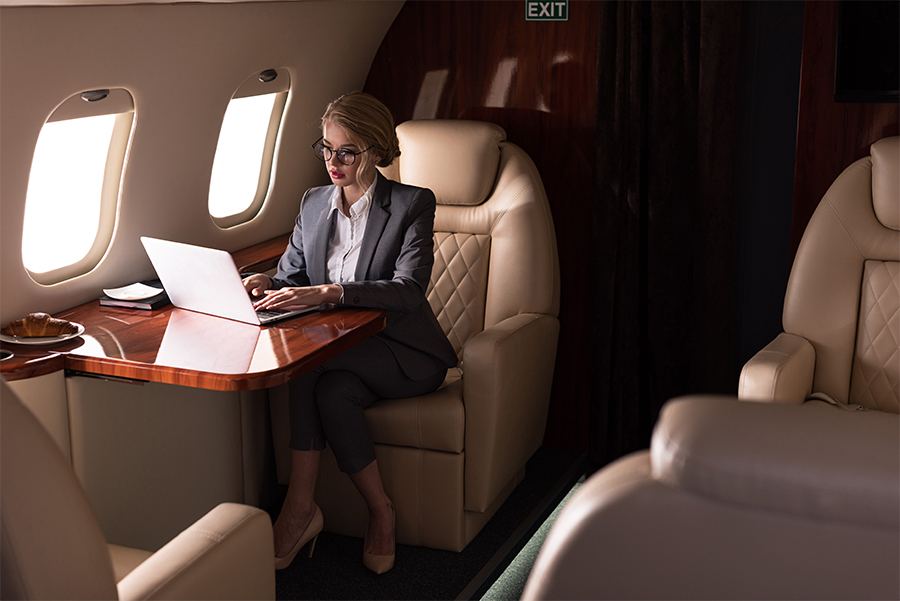
Private jet charter services offer a range of benefits tailored specifically for business executives, enhancing their travel experience significantly. The flexibility and efficiency provided by these services not only streamline busy schedules but also cater to the unique requirements of high-level professionals. Executives can make the most of their time while traveling, ensuring that they arrive at their destinations ready for business.
One of the standout features of private jet charters is their unparalleled flexibility. Unlike commercial flights, private jets allow executives to set their own travel itineraries, adapting to last-minute changes with ease. This flexibility can be crucial for business meetings that may require sudden adjustments. Moreover, private jet charters can access a broader range of airports, including smaller regional airfields that commercial airlines do not service, further enhancing travel convenience.
Personalized Services Available During Flights
Private jet charter services come with a variety of personalized services designed to meet the specific needs of business executives. The attention to detail and tailored offerings create a premium travel experience. Key personalized services include:
- Custom Catering: Passengers can select from a diverse menu, accommodating dietary preferences or special requests, ensuring a delightful dining experience onboard.
- In-Flight Connectivity: High-speed Wi-Fi and satellite phone services are typically available, allowing executives to stay connected and productive while in the air.
- Dedicated Flight Attendants: Professional flight attendants provide exceptional service, from managing in-flight needs to creating a comfortable atmosphere for relaxation or work.
- Luxury Amenities: Many private jets are equipped with spacious cabins, reclining seats, and entertainment systems, contributing to a comfortable travel environment.
Case Studies of Successful Utilization
Several companies have successfully integrated private jet charter services into their business operations, reaping significant advantages. For instance, a global tech company utilized private jet charters to facilitate a series of critical meetings across multiple cities in a single day. This approach allowed executives to maximize productivity and maintain focus on their strategic objectives without the hassle of commercial flight schedules.
Another example involves a leading financial firm that frequently charters private jets for client meetings and conferences. By ensuring their executives arrive promptly and refreshed, the firm has established a reputation for reliability and professionalism, which has positively impacted their client relationships and business growth.
In summary, the advantages of using private jet charter services extend beyond mere convenience; they encompass flexibility, personalized services, and proven success stories that enhance the overall business travel experience for executives.
Environmental Impact and Sustainable Practices
Private jet travel, while offering unparalleled convenience and efficiency for business executives, also raises significant environmental concerns. The impact of aviation on climate change is a topic of increasing importance as the world grapples with the need for sustainability. Understanding these implications is essential for executives who wish to balance their travel needs with environmental responsibility.
The aviation sector contributes a notable portion of global greenhouse gas emissions, and private jets tend to have a higher carbon footprint per passenger compared to commercial flights. However, the industry is making strides towards sustainability. Many private jet charter companies are adopting innovative practices aimed at reducing environmental impact.
Adoption of Sustainable Practices, Exclusive Private Jet Charter for Business Executives
In response to the environmental challenges posed by air travel, private jet charter companies are implementing various sustainable practices. These initiatives not only mitigate the ecological footprint but also cater to the growing demand from clients for greener travel options. Notable practices include:
- Use of Sustainable Aviation Fuel (SAF): Many companies are increasingly utilizing SAF, which can reduce lifecycle greenhouse gas emissions by up to 80% compared to traditional jet fuel.
- Carbon Offset Programs: Charter services offer carbon offset options to clients, allowing them to invest in projects that reduce or capture CO2 emissions, such as reforestation or renewable energy projects.
- Fleet Modernization: By investing in newer, more fuel-efficient aircraft, private jet operators are able to decrease fuel consumption and emissions. Modern jets are designed with advanced aerodynamics and engines that optimize fuel efficiency.
- Operational Efficiency: Improving flight planning and management can help minimize unnecessary fuel burn. Companies are employing technologies to optimize flight paths and reduce delays, which leads to lower emissions.
To further minimize their carbon footprint while traveling, executives can consider the following strategies:
- Group Travel: Sharing a flight with colleagues or business partners can effectively reduce the per-passenger environmental impact.
- Short-Haul Flights: Opting for private jets for shorter distances instead of longer flights can lessen the overall carbon emissions, especially when compared to driving or commercial alternatives.
- Frequent Flyer Programs with Sustainability Options: Participating in loyalty programs that prioritize sustainability can encourage eco-friendly choices and practices.
- Educating Staff: Encouraging team members to adopt sustainable practices while traveling can foster a culture of environmental responsibility within the organization.
“Sustainability in aviation is not just a trend; it’s a responsibility that executives should take seriously, aligning travel choices with corporate values.”
Future Trends in Private Jet Charter Industry

As the private jet charter industry evolves, a confluence of emerging technologies, regulatory changes, and shifting consumer preferences are shaping its future. Understanding these trends can help business executives make informed decisions when utilizing private jet services. The integration of innovative solutions promises to enhance the travel experience while addressing sustainability and efficiency concerns.
Emerging Technologies Impacting Private Jet Travel
Technological advancements are a driving force in the evolution of the private jet charter industry. Innovations such as artificial intelligence (AI), blockchain, and advanced avionics are expected to change how business executives book and experience private air travel.
Key technological trends include:
- AI-Powered Booking Systems: AI algorithms can streamline the booking process, offering personalized aircraft options based on past preferences and current travel needs.
- Blockchain for Transparency: Blockchain technology can enhance security and transparency in transactions, ensuring data integrity and reducing fraud risk.
- Advanced Avionics: Enhanced navigation systems are improving flight safety and efficiency, allowing jets to utilize optimal flight paths and reduce fuel consumption.
- In-Flight Connectivity: Continuous improvements in internet connectivity on private jets will allow executives to maintain productivity while in the air, making remote work more feasible.
Potential Changes in Regulations Affecting the Industry
Regulatory frameworks surrounding private aviation are constantly evolving. Anticipated changes may impact safety standards, emissions regulations, and operational protocols.
Important regulatory considerations include:
- Tighter Emission Regulations: Governments worldwide are increasingly focused on reducing carbon footprints, leading to the implementation of stricter emissions regulations for private jets.
- Increased Safety Protocols: Following global events, there is a growing emphasis on enhanced safety protocols that could lead to more rigorous inspection and certification processes.
- Operational Flexibility: Potential changes in air traffic regulations may provide more flexible flight routes and reduced congestion at major airports, improving efficiency for business travelers.
Predictions on Demand for Private Jet Services
The demand for private jet services is projected to grow, driven by an increase in global trade, international business expansion, and a greater focus on time efficiency.
Key predictions include:
- Growth in Business Travel: As companies expand their reach globally, the need for efficient travel solutions will likely increase, making private jet charters an attractive option.
- Rising Demand for On-Demand Services: Flexibility and convenience are paramount; hence, the trend towards on-demand charter services is expected to gain momentum, allowing businesses to book flights with little notice.
- Focus on Sustainability: As awareness of environmental issues grows, demand for eco-friendly aircraft options, such as electric jets or sustainable aviation fuel, will likely see an uptick.
- Increased Interest from Younger Executives: A new generation of business leaders values time and efficiency, which may lead to a broader acceptance of private aviation as a mainstream travel option.
“The future of private jet travel will hinge on balancing luxury and sustainability while embracing the latest technological advancements to meet evolving executive demands.”
FAQ Explained
Exclusive Private Jet Charter for Business Executives – What are the main benefits of using a private jet charter for business travel?
The main benefits include increased flexibility, time savings, enhanced privacy, and a more comfortable travel experience, allowing executives to work effectively during their flights.
How does private jet chartering compare financially to owning a private jet?
Chartering a jet typically incurs lower upfront costs and allows businesses to pay for travel only when needed, avoiding the ongoing expenses of ownership like maintenance and staffing.
What factors should I consider when selecting a private jet?
Consider your travel needs, such as the number of passengers, flight distance, desired speed, and necessary amenities to ensure the flight meets your expectations.
Are there hidden costs associated with private jet charters?
Yes, potential hidden costs may include fuel surcharges, landing fees, and catering services that aren’t included in the initial quote.
How can executives secure the best rates for private jet charters?
Booking in advance, comparing quotes from several providers, and being flexible with travel dates can help executives find better rates.